The Danforth is more than just a street, it’s a community, and at the risk of sounding corny, a way of life. Visitors are drawn to its energy, while residents stay for its strong sense of connection, culture, and everyday convenience. Along the vibrant, walkable avenue, you’ll find an eclectic mix of restaurants, cafés, shops, and local amenities, all just steps from quiet, tree-lined residential streets. The best of both worlds, the Danforth offers a welcoming, easy pace without sacrificing access to major transit and the downtown core. It’s no surprise the Danforth continues to draw buyers looking for a balanced way to live in Toronto.
Living on the Danforth offers a highly walkable lifestyle, with easy access to grocery stores, cafés, parks, and everyday amenities. The area is also known for Greektown, a major cultural and dining destination in Toronto.
This combination of convenience and character is a key reason buyers continue to choose the Danforth.
The Danforth is one of Toronto’s most family-friendly neighbourhoods, offering access to a wide range of parks, schools, and community amenities. Popular green spaces such as Withrow Park, Monarch Park, East Lynn Park, and Taylor Creek Park provide playgrounds, sports facilities, walking trails, and year-round recreational opportunities for residents of all ages.
Families are also drawn to the area for its selection of public, Catholic, and French-language schools, along with nearby libraries, childcare centres, and community programs. Combined with its walkable streets and strong sense of community, these amenities contribute to the Danforth’s long-term appeal for both growing families and long-term residents.
The Danforth is known for its vibrant mix of restaurants, cafés, bakeries, and independent retailers. Stretching from Broadview Avenue to Warden Avenue, the neighbourhood offers everything from long-standing family-owned businesses to trendy new eateries and specialty shops.
While Greektown remains one of the Danforth’s defining destinations, the neighbourhood’s food scene has expanded far beyond its Greek roots. In recent years, the East Danforth has emerged as one of Toronto’s most diverse dining corridors, with acclaimed Ethiopian and Eritrean restaurants concentrated in the area known as Little Ethiopia between Greenwood and Coxwell. The avenue is also home to an increasing number of contemporary restaurants, cocktail bars, cafés, and specialty food shops that reflect the neighbourhood’s changing demographics and growing appeal. For residents, this means access to both long-standing local institutions and an ever-evolving culinary scene just steps from home.
As demand for Toronto’s east-end neighbourhoods continues to grow, the Danforth remains well-positioned for long-term real estate appreciation. Ongoing investment in transit infrastructure, including the future Ontario Line, is expected to improve connectivity and increase accessibility throughout the area. The neighbourhood’s established housing stock, strong local amenities, and proximity to downtown Toronto continue to attract both homebuyers and investors.
When it comes to major real estate transitions, you want local insight. Reach out to resident and award-winning East End real estate agent Socrates Apallas whether you’re looking for guidance on navigating the Toronto Danforth market, or just a recommendation on a great cup of coffee.
There is no shortage of things to do on the Danforth throughout the year. Residents and visitors can explore local restaurants and cafés, browse independent shops, attend community events, or enjoy nearby parks and trails. The neighbourhood is also home to music venues, fitness studios, farmers’ markets, and cultural celebrations that reflect the area’s diverse echaracter.
Danforth Avenue runs east from Broadview Avenue toward Scarborough, forming the backbone of several residential communities. While the avenue itself is lively and commercial, the surrounding streets offer quieter, family-oriented living. The Danforth is made up of and connects some of the East End’s best-loved neighbourhoods.
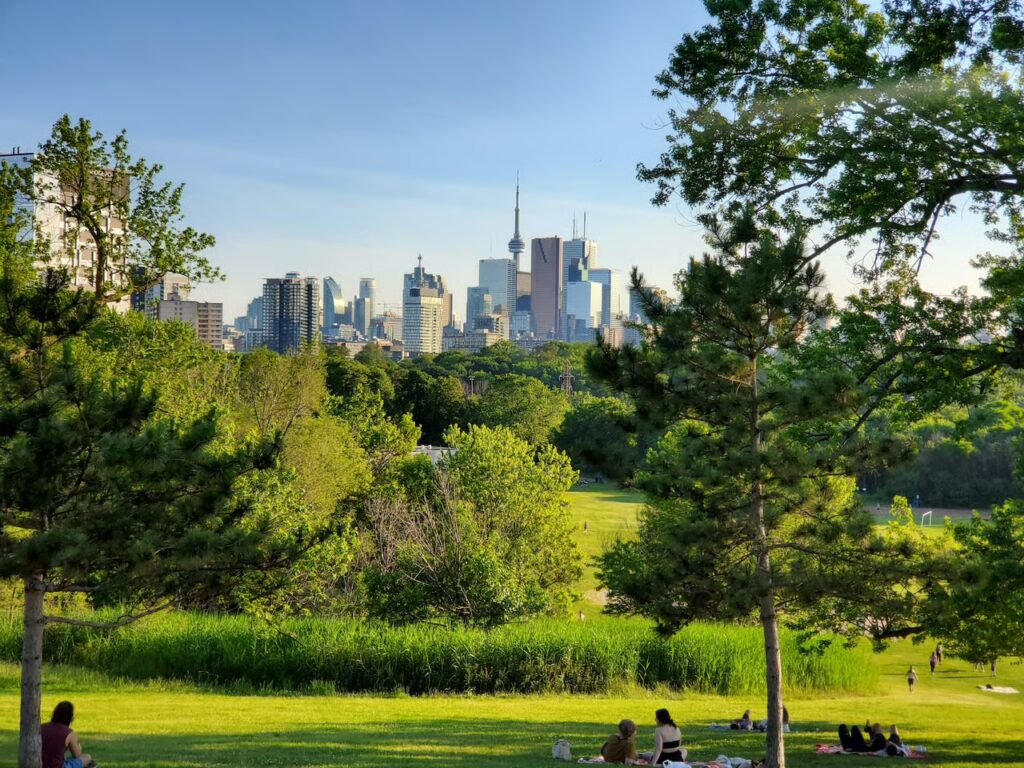
Riverdale is one of Toronto’s most established East End neighbourhoods, defined by its tree-lined residential streets, strong school network, and proximity to Riverdale Park and downtown. The area is known for its high demand among professionals and families, with a housing stock of early 20th-century detached and semi-detached homes that give the neighbourhood a consistent, character-rich streetscape. That same architectural fabric continues north toward Playter Estates, where the streets become quieter and the homes generally
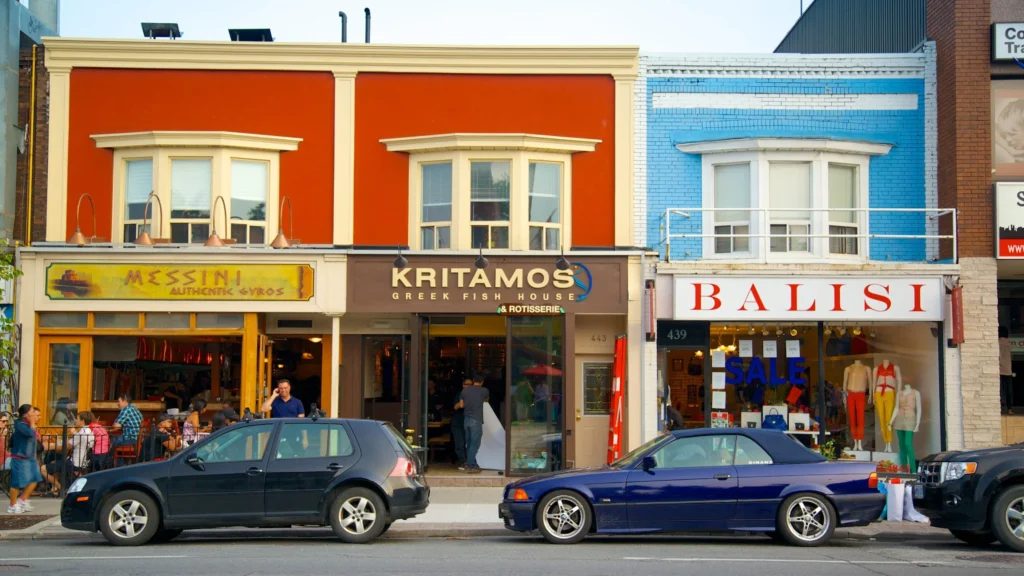
Greektown forms the cultural and commercial core of the Danforth corridor, defined by its dense concentration of restaurants, cafés, patios, and independent businesses that create one of the most active street-level environments in the city. While the area is best known for its commercial strip along Danforth Avenue, its residential component is more limited and typically found in surrounding side streets and low-rise buildings, including a mix of condos, converted homes, and small multi-unit properties. Just north of this corridor, neighbourhoods like Blake-Jones transition into a more traditional residential fabric, where semi-detached homes, infill development, and quieter streets dominate while still maintaining close access to the amenities and transit of the main strip.
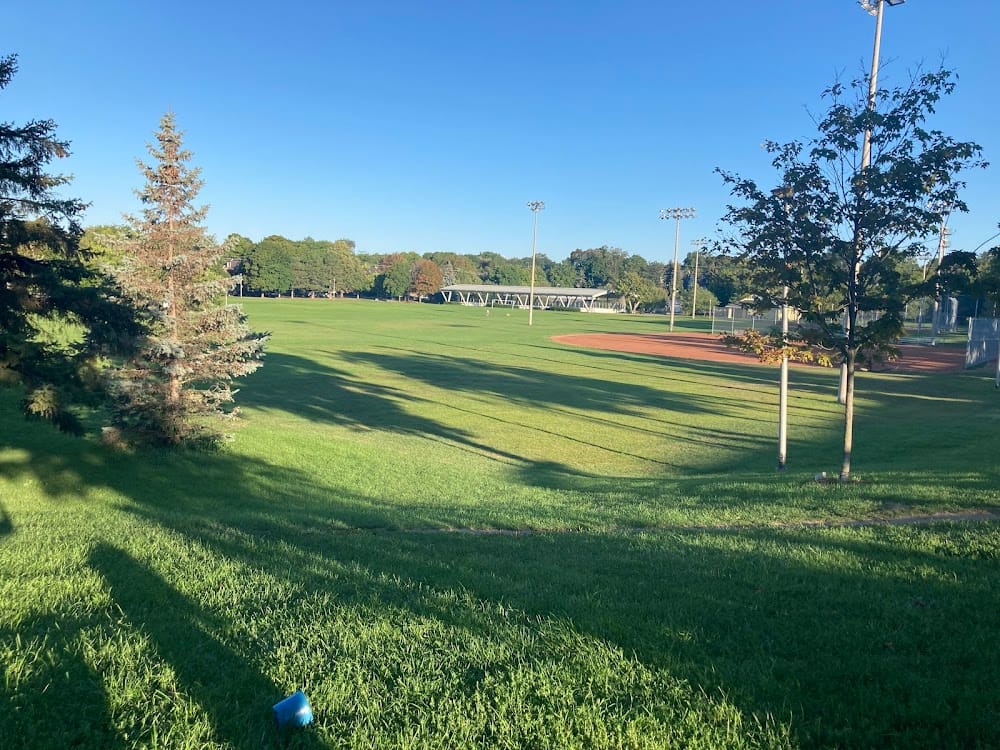
Greenwood-Coxwell sits at the intersection of strong transit access and evolving residential development, anchored by Greenwood and Coxwell stations and supported by Greenwood Park’s extensive recreational amenities. The neighbourhood attracts a mix of first-time buyers and young families, with housing that includes older semi-detached homes, renovated properties, and pockets of newer low-rise development that reflect its gradual evolution over time. Just to the west of this broader area is The Pocket, a small residential enclave between the Danforth and the rail corridor, known for its compact street grid and primarily semi-detached housing.
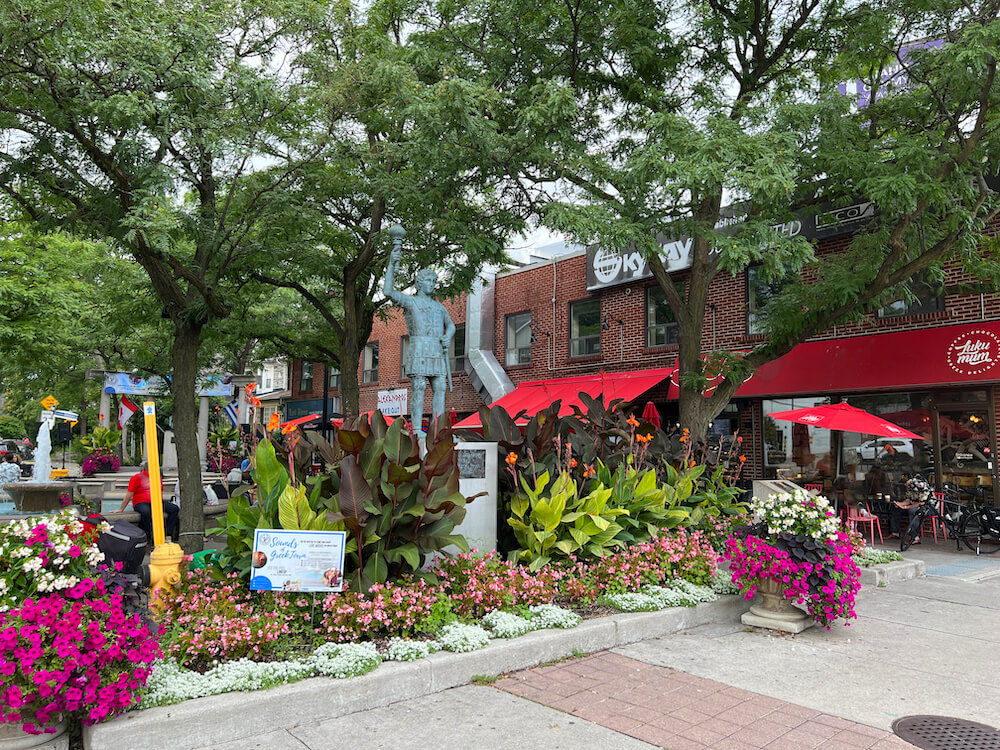
Main & Danforth is one of the most transit-connected nodes in the East End, anchored by both Main Street subway station and Danforth GO, offering fast access into downtown Toronto. The area includes a mix of condos, rental housing, and more affordable detached homes compared to the western sections of the corridor, making it attractive to commuters and value-focused buyers. Just north of this hub, Woodbine-Lumsden shifts the character toward quieter residential streets, larger lots, and increased access to green space like Taylor Creek Ravine, appealing to buyers prioritizing space and long-term livability.
For buyers drawn to the Danforth, the search is about finding an East End neighbourhood that balances walkable streets, established housing, and an easy commute into downtown. It often includes people moving into a first family home, upsizing from a condo, or looking for a neighbourhood with character and everyday convenience without leaving the city. Depending on your specific set of must-haves, these other East End gems might fit the bill.
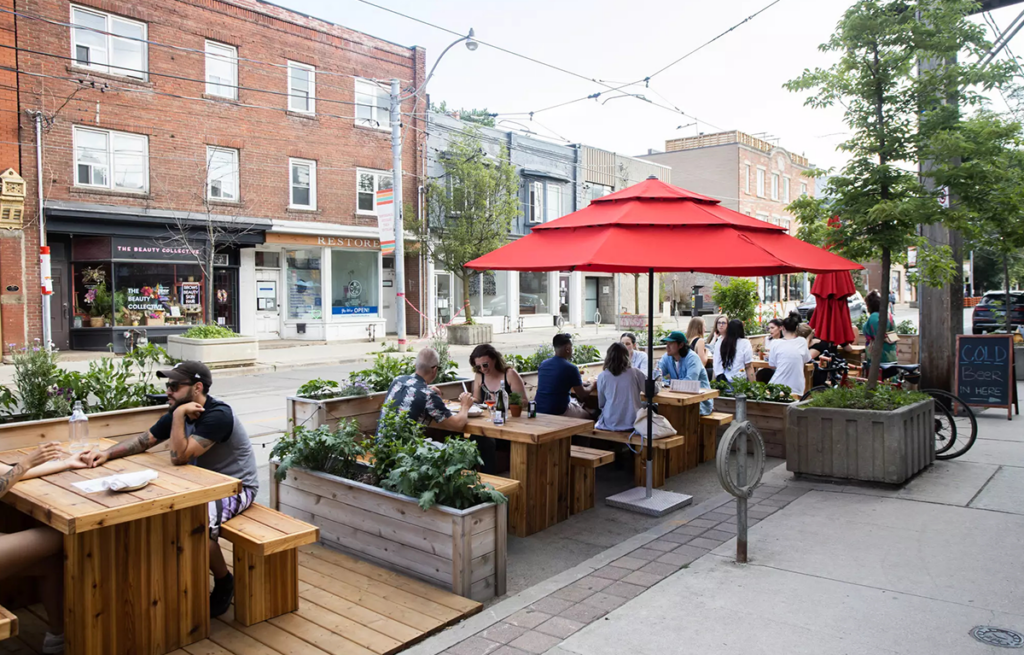
Leslieville has a similar everyday energy to the Danforth, with a strong café and restaurant culture, independent shops, and a mix of semi-detached homes and low-rise condos. It tends to appeal to buyers who want a walkable neighbourhood feel with a slightly more downtown-adjacent location, especially along Queen Street East and the surrounding residential streets.
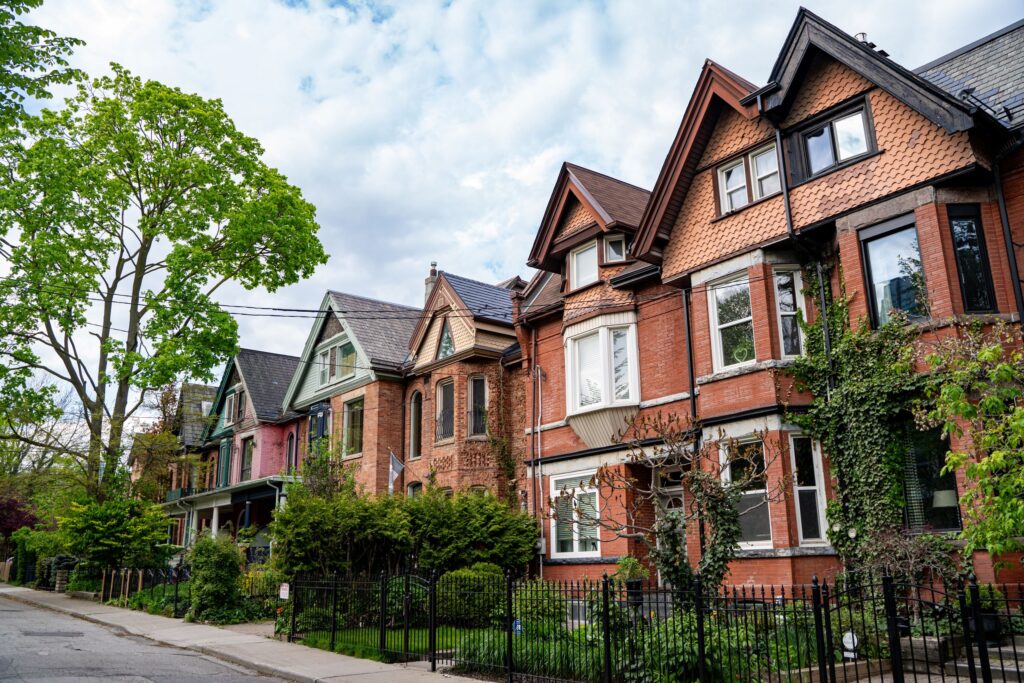
Cabbagetown is defined by its preserved Victorian homes, mature tree-lined streets, and quieter residential feel just east of downtown. It shares some of the Danforth’s character housing appeal, but with a tighter street grid and a more central location that puts it closer to the core while still feeling distinctly residential.
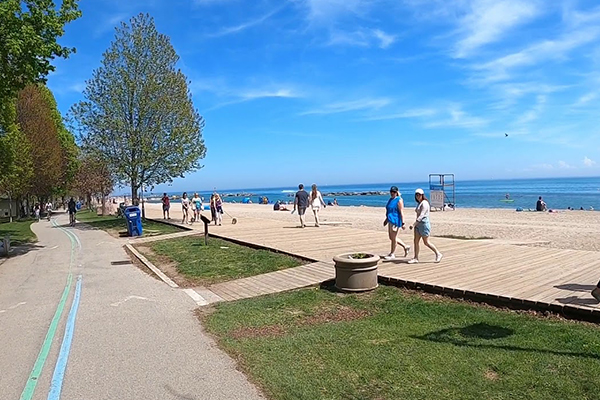
The Beaches offers a different pace altogether, with lake access, boardwalks, and a strong emphasis on outdoor space and residential calm. While it shares the Danforth’s sense of community and established neighbourhood identity, it tends to attract buyers who are more focused on detached homes and a quieter, waterfront-oriented lifestyle.
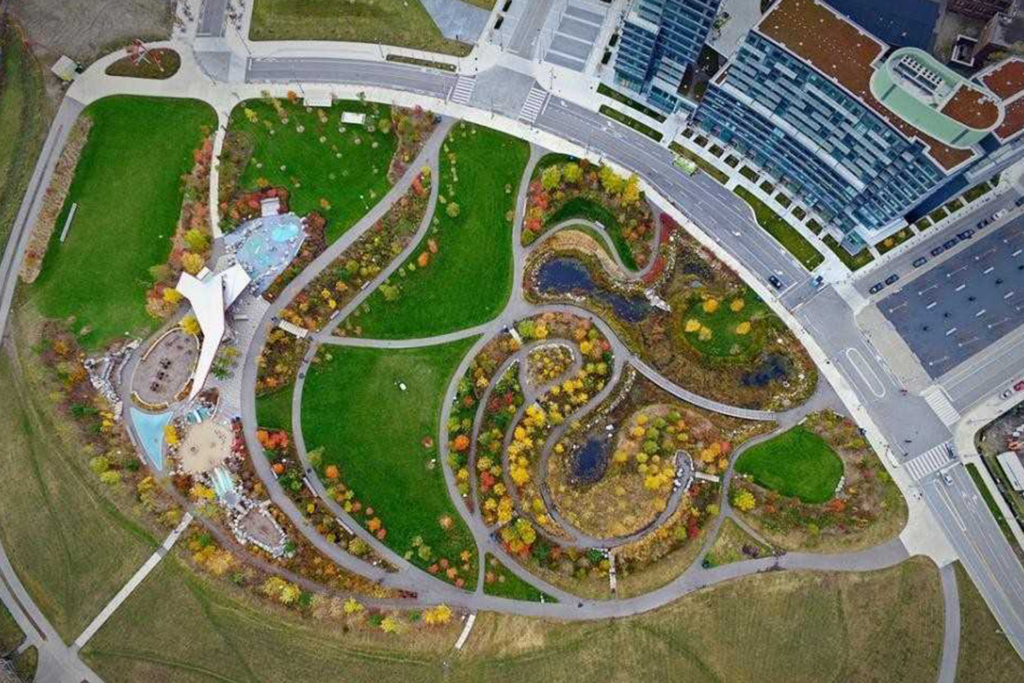
Corktown sits closer to the core and blends restored heritage homes with newer condo developments, giving it a more compact and urban feel. It appeals to buyers who still want East End character but prioritize shorter commutes and proximity to downtown employment and amenities.
One of the Danforth’s biggest advantages is its excellent transit connectivity. Whether on foot, on transit or by car, travelling within and outside of the Danforth area is convenient, with lots of ways to get around. Plus, the upcoming Ontario Line, with planned stops at Pape and Cosburn, is expected to further improve transit access and increase nearby property values.
Running directly beneath the Danforth, Line 2 is the area’s main transit backbone, with stations at Broadview, Chester, Pape, Donlands, Greenwood, Coxwell, Woodbine, and Main Street. It provides reliable, direct access across the city and connects to Line 1 for quick trips into downtown Toronto.
Accessible via Broadview Station, the 504 King streetcar is one of Toronto’s most frequent routes, running through the Financial District and into Liberty Village. It’s a convenient option for commuters heading to major employment hubs without needing to transfer lines.
The 505 Dundas streetcar runs west from Broadview through the downtown core toward Dundas West Station. It offers a direct east-west route across the city, connecting Danforth residents to neighbourhoods like Riverside, Regent Park, Chinatown, Trinity Bellwoods, Ossington, and Roncesvalles. The 505 makes it easy to visit destinations like Toronto Eaton Centre, the Art Gallery of Ontario and more.
Running parallel to the Danforth just to the south, the 506 Carlton streetcar connects the east end to College Street, passing through areas like Cabbagetown, the Discovery District, and Little Italy. It’s a useful alternative for crosstown travel.
Located at Main Street, Danforth GO Station provides fast regional rail service to Union Station, often in under 15 minutes. It’s a key advantage for commuters looking to bypass subway congestion and travel quickly into the downtown core.
For drivers, the Don Valley Parkway is easily accessible from the west end of the Danforth, offering a direct route north and south through the city. It connects to the Gardiner Expressway, making it a key corridor for commuting by car.
Living on the Danforth means having a neighbourhood that feels both connected and distinctly local. Within walking distance you can find all your necessities, from groceries and clinics to schools and recreation. Plus, enjoy independent shops, restaurants, parks, and culture. Plus, with easy access to transit and the downtown core, it’s a good fit for people who want urban convenience at a slower pace.
Homes for sale on the Danforth often include detached homes, semis, bungalows, and some condos, depending on the pocket. Many properties have older Toronto character, while others have been renovated or rebuilt over time. The area offers a range of options for buyers looking for anything from a starter home to a larger family property.
The Danforth real estate market is active and varies quite a bit by pocket. Areas closer to Broadview, Playter Estates, and North Riverdale tend to sit at the higher end of the market because of their character homes, schools, and proximity to the subway, while further east and north of the main strip, neighbourhoods like Blake-Jones, Greenwood-Coxwell, and parts of East Danforth can offer more approachable price points. Semi-detached homes, older bungalows, and properties that need updating are often the most accessible options, especially for buyers looking to get into the area without stretching to the top of the market.
The Danforth has excellent transit access, which is one of its biggest strengths. Line 2 runs directly through the area, with subway stations serving much of the neighbourhood, and the Danforth is also supported by streetcars, buses, and Danforth GO Station. For drivers, the Don Valley Parkway is also close by, making it easier to get across the city.